Ecosystem thinking or collapse
N°17 - January 2026

Watching Davos last week felt surreal. Trump threatened tariffs one morning, walking them back by evening. Macron called for European tech sovereignty while his coalition collapsed. These shifts were exhausting, but it clarified something essential: as our societies fragment at record speed, ecosystem thinking has become the only viable strategy.
The reality is brutal. The Edelman Trust Barometer 2026 documents it: 7 in 10 people hesitate to trust those unlike them. We no longer share divergent opinions, but different realities.
Shared knowledge is under attack, Wikipedia accused of being “Wokepedia” by Musk, of interference by the U.S. Congress. Sharing information frightens certain powers.
At the same time, reality makes truth seeking vital. The UN has declared the era of “global water bankruptcy”: 75% of humanity lives in water-insecure zones. And these have ripple effects all over the world. Water shortages in Pakistan? Global rice exports suffer. The world is interconnected, whether we like it or not.
This is where the ecosystem approach becomes unavoidable. As Olivier Mathiot shows, ecosystem thinking means respecting each stakeholder’s reality. Impact can no longer be a moral choice disconnected from economics: it must concretely improve everyone’s unit economics. Paolin Pascot of Agryco: “If the economics don’t work for farmers and buyers simultaneously, it’s just a nice PowerPoint.”
The world doesn’t choose between mission and money. It builds companies where economic value and impact structurally reinforce each other. Resilience doesn’t come from one powerful head, but from a system where multiple arms sense, decide, and act together.
I hope this curation will drive your own reflections and actions as you’re planning the year ahead. Please feel free to share it with those who might be interested.
Let’s dive in! 💫
Insights
Theresa MacPhail 🇺🇸argues widespread inability to envision future stems from polycrisis overwhelming episodic future thinking, with clinical psychologist reporting clients have “lost the future” more severely than post-9/11 | The Guardian - PSYCHOLOGY
Florence Santrot 🇫🇷reports Edelman Trust Barometer 2026 reveals 7 in 10 people globally hesitant to trust those unlike them. Fewer than 4 in 10 consulting divergent political viewpoints as employers emerge as last credible mediators amid fragmented reality where prosperity no longer guarantees social confidence. | We Demain - SOCIAL TRUST
Stephen Harrison 🇺🇸argues Wikipedia faces existential threats at 25-year mark including political attacks from Elon Musk’s “Wokepedia” claims and Heritage Foundation targeting editors, AI scraping straining servers whilst losing billion monthly visits between 2022-2025, and volunteer decline with new registrations dropping one-third since 2016. | WIRED - DIGITAL COMMONS

Camille Wong 🇫🇷reports French greentech funding plummeted 46% to €1B in 2025, marking unprecedented decline. Ring Capital’s Nicolas Celier notes ESG themes “no longer audible for many investors” as priorities shift towards AI, European deregulation on corporate sustainability, thermal vehicle constraint delays, Trump return, and French political uncertainty. | Les Échos - GREENTECH FUNDING
Olivier Mathiot 🇫🇷sat down with 11 founders across climate, circular economy, and fintech to pressure-test one idea: when does impact create actual business value? The answer: impact must live in unit economics, not in deck appendices. Agryco’s Paolin Pascot: “If the economics don’t work for farmers and buyers simultaneously, it’s just a nice PowerPoint.” | 2050 - IMPACT ECONOMICS
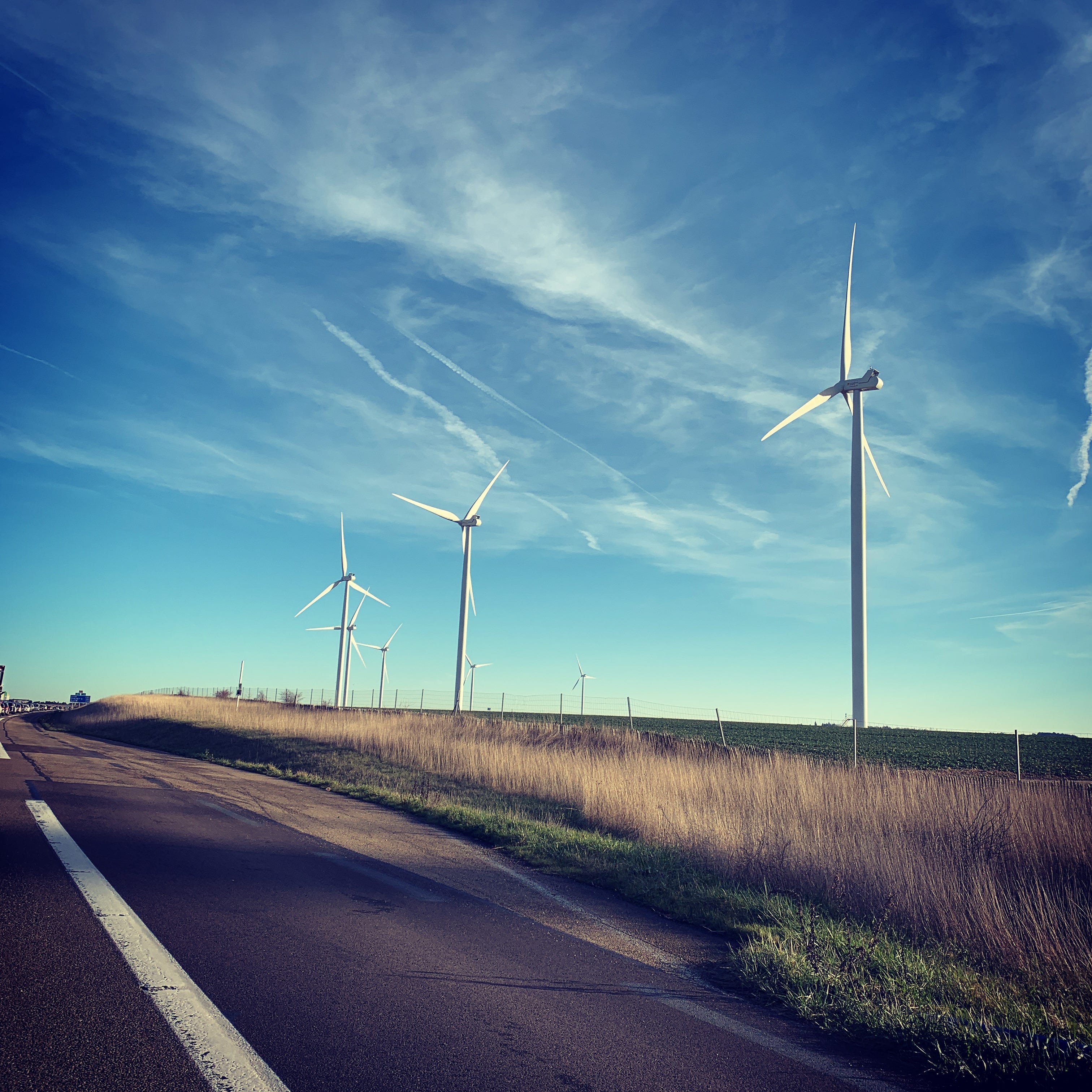
Stephen Wunker and Jessica Wattman 🇺🇸argue AI is fundamentally rewiring the impact economy through distributed intelligence, using the octopus metaphor (nine brains) as a blueprint where authority flows outward, not upward.
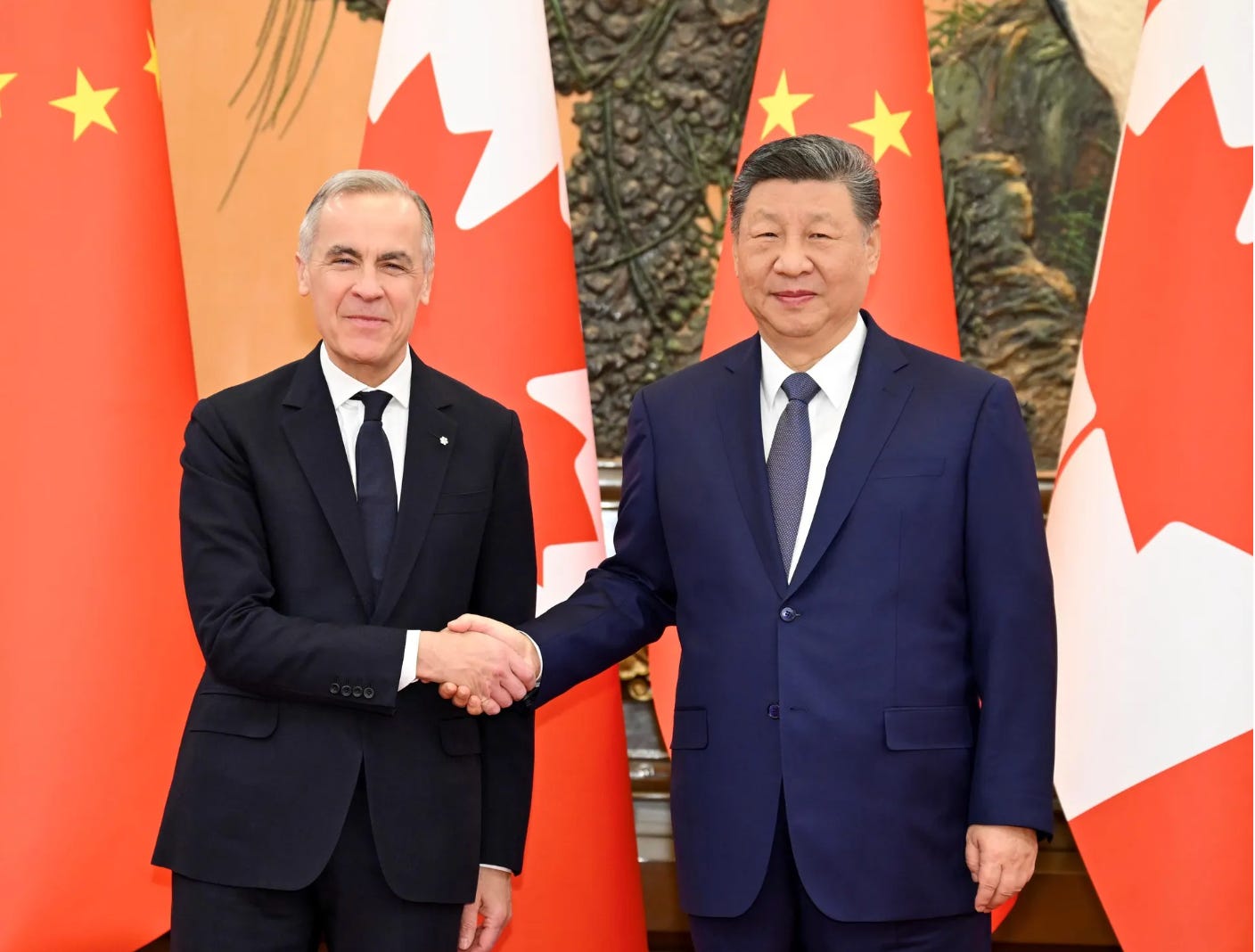
Phil De Luna 🇨🇦argues Canada’s EV tariff deal with China signals strategic shift from U.S. dependence. Reality Western policymakers resist: China already leapfrogged West on cleantech, 60% global EV production, 75% battery manufacturing, 80% solar panels. | Forbes - CLEANTECH SOVEREIGNTY
Sandra Upson, Zeyi Yang and Will Knight 🇺🇸hosted a livestream “Welcome to the Chinese Century” examining China’s dominance across batteries, EVs, and solar, installing more solar in 2023 alone than entire world did in any year before 2020. Western VCs touring China’s cleantech base concluded bluntly: China already won the manufacturing race. | WIRED - MANUFACTURING DOMINANCE
Amy Harder 🇺🇸reports climate agenda’s fall from grace over past year has been stunning in speed, scale, and scope. Global climate VC investments dropped nearly 50% since 2021 peak though still 450% higher than 2015. Reversals represent retreat from “net zero by 2050” maximalist goals but not wholesale retreat. | Axios - CLIMATE REVERSAL
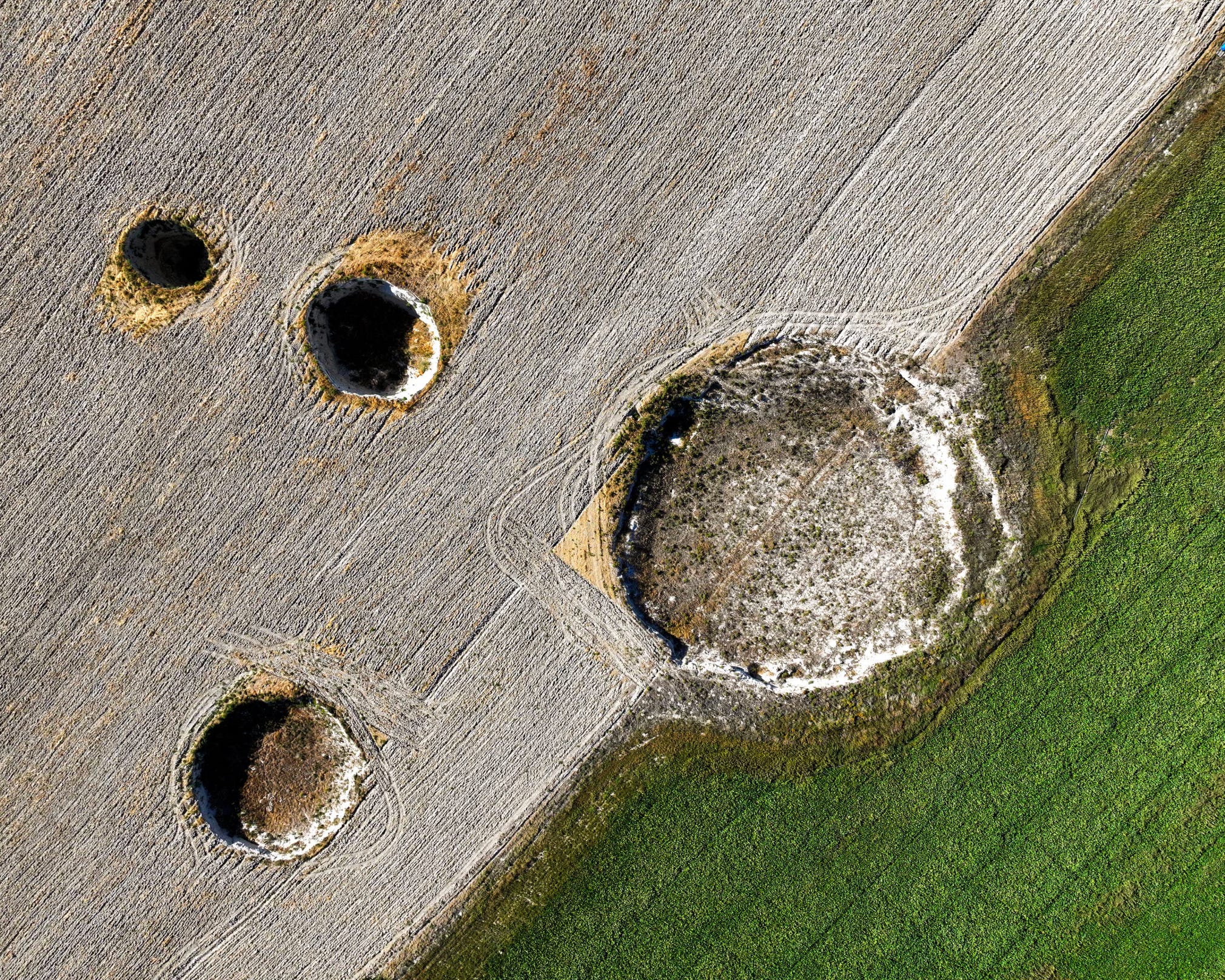
Damian Carrington 🇬🇧reports UN declares world has entered era of “global water bankruptcy” harming billions as societies. Lead author Prof Kaveh Madani warns no one knows when the whole system could collapse with implications for peace and social cohesion. Half world’s food grown where water storage is declining. | The Guardian - WATER BANKRUPTCY
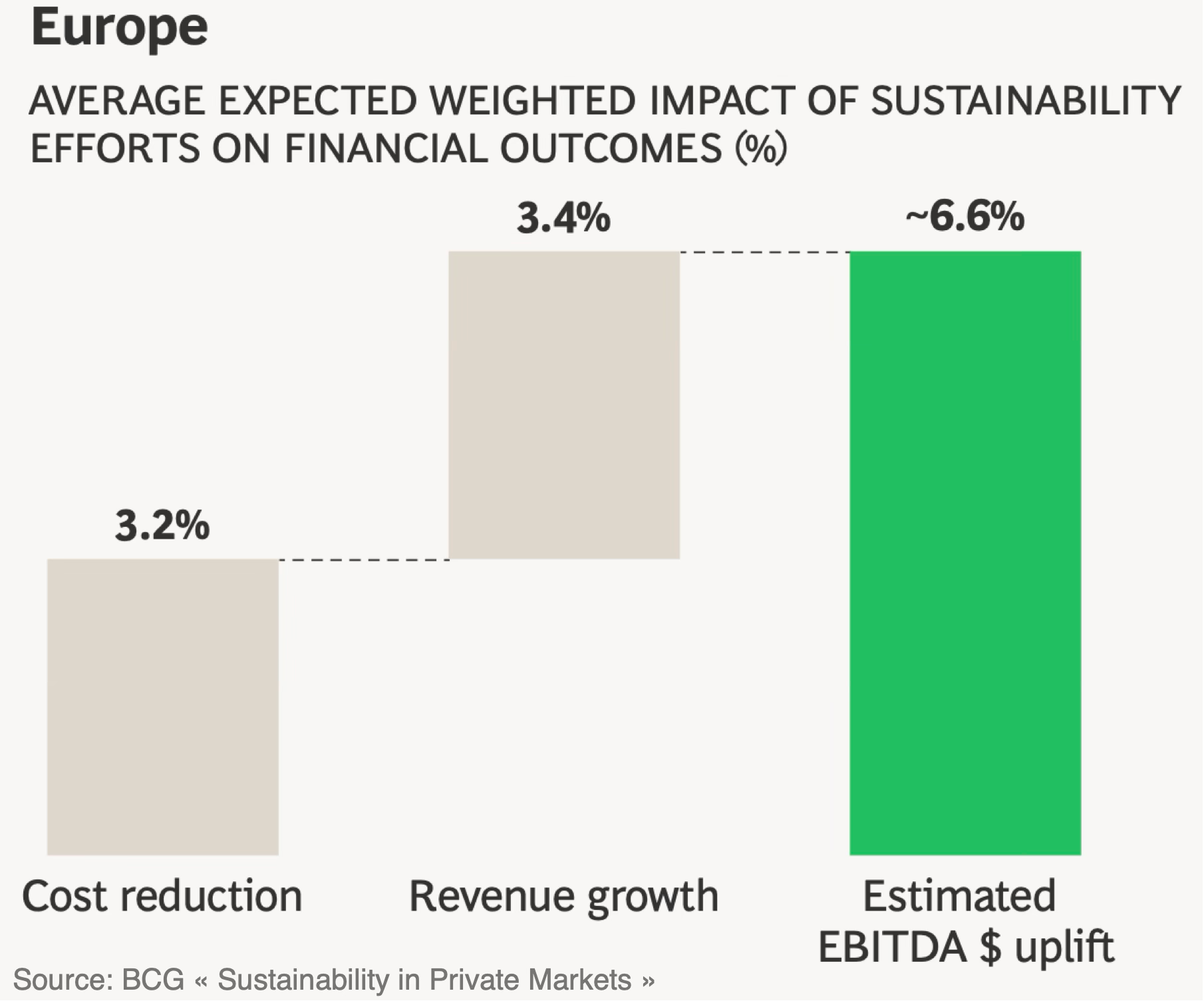
Graph that retained my attention this week
A 4% to 7% increase in EBITDA is reported by private equity general partners as a result of sustainability-linked initiatives over the life of an investment.